In this guide
Key takeaways
- There is no single market rate. Price reflects scope, team seniority and whether paid advertising is included.
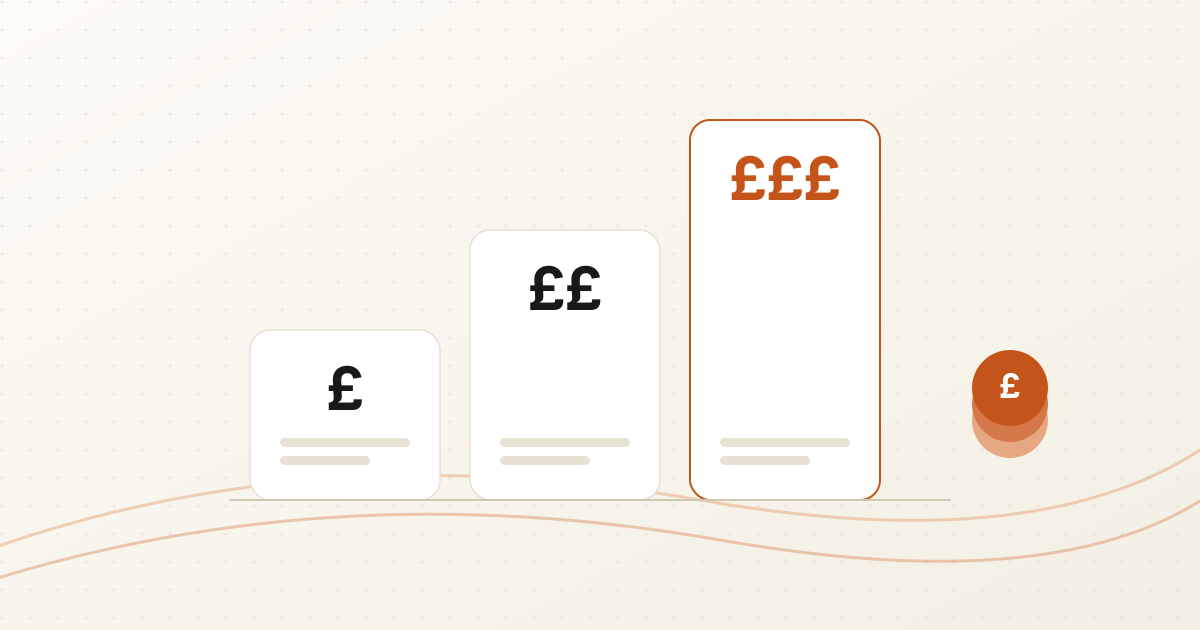
- Retainers fall into three tiers: entry (£800 to £1,800 a month), mid-market (£2,500 to £5,000) and comprehensive (£6,000 to £12,000+).
- Those ranges cover organic work only. ChatGPT Ads management carries separate fees.
- The guide also covers how to evaluate value and what to do before requesting a proposal.
When marketing directors and founders search for AI visibility pricing, they usually find one of two things. The first is vague agency websites that say "pricing on request." The second is suspiciously cheap packages that promise ChatGPT citations for a few hundred pounds a month. Neither helps when you are building a credible budget for the first time.
This guide cuts through both extremes. It covers what AI visibility management actually costs in 2026, what each price tier includes, and how ChatGPT Ads management fees compare to organic-only retainers. It also explains how to tell the difference between a programme that moves commercial metrics and one that produces a report full of screenshots.
The core truth about AI visibility pricing: there is no single market rate. What you pay reflects the scope of the work, the seniority of the team, and whether the programme includes paid advertising alongside organic strategy. Understanding that relationship is how you evaluate any proposal you receive.
What AI Visibility Management Actually Involves
Before examining price ranges, it helps to be precise about what you are buying. AI visibility management is not SEO with a rebrand. It is a distinct discipline. The focus is on how AI systems discover, understand, and recommend businesses when buyers use those tools to research purchasing decisions. The main platforms are ChatGPT, Google AI Overviews, Perplexity, and Microsoft Copilot.
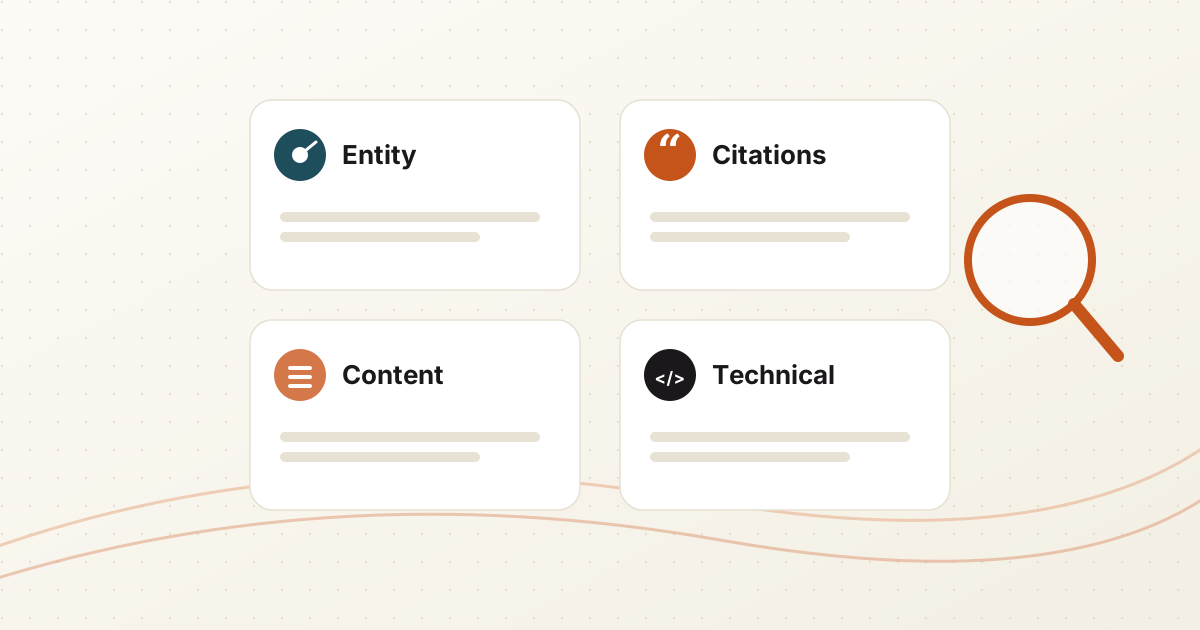
A credible programme typically involves several interconnected workstreams:
-
Entity and authority work: Ensuring AI systems can accurately identify what your business does, who it serves, and why it is credible. This involves structured data, entity relationships, and consistent signals across the web.
-
Content architecture: Creating and optimising content that AI systems can extract, cite, and use to answer buyer questions. This is not simply blogging. It requires understanding how AI engines retrieve and surface information.
-
Citation and source development: Building the third-party signals that AI systems use to validate recommendations, including coverage, mentions, and authoritative references.
-
Measurement and monitoring: Tracking whether your brand appears in AI-generated responses for commercially relevant queries, and understanding the competitive context.
-
ChatGPT Ads management (where applicable): Running paid campaigns inside ChatGPT to reach buyers who are actively researching, comparing options, or forming purchasing decisions.
Each of these workstreams requires different skills and different time investment. The price you pay is largely a function of how many of them are included, and how rigorously they are executed.
AI Visibility Retainer Price Ranges in 2026
The market in 2026 has settled into three recognisable tiers. These are not rigid categories. Individual agencies structure their pricing differently. However, the ranges below reflect what buyers are actually encountering when they request proposals.
Monthly retainer ranges, 2026
Organic AI visibility work only. ChatGPT Ads management carries separate fees.
Tier 1: Entry-Level Retainers (£800 to £1,800 per month)
At this price point, you typically get a limited-scope programme: an initial audit, some content optimisation recommendations, and a monthly report. The work is usually templated rather than tailored. The team executing it is unlikely to have deep commercial expertise in AI systems.
This tier suits very early-stage businesses that want a baseline understanding of their current AI visibility position. It gives them a starting point before they commit to a larger programme. It is not, however, the right choice for businesses trying to compete seriously for AI consideration in contested markets.
What is typically included:
-
One-time AI visibility audit
-
Basic structured data implementation
-
Monthly monitoring report (often automated)
-
Limited content recommendations
Tier 2: Mid-Market Retainers (£2,500 to £5,000 per month)
This is where genuine strategic work begins. At this tier, you should expect a dedicated team, a proper onboarding process, active content production, and meaningful measurement. Specifically, the agency should track your brand's presence in AI-generated responses for specific commercial queries. Reporting on generic visibility scores alone is not sufficient.
What is typically included:
-
Full AI visibility audit and competitive analysis
-
Monthly content production (optimised for AI extraction)
-
Entity and authority building
-
Citation development and third-party signal work
-
Bi-weekly or monthly strategy calls
-
Prompt monitoring across major AI platforms
Tier 3: Comprehensive Programmes (£6,000 to £12,000+ per month)
At this level, the programme targets genuine commercial outcomes: inclusion in AI-generated shortlists, measurable increases in AI-referred traffic, and documented competitive displacement. The team is senior. The strategy is bespoke. Crucially, the measurement framework ties to business metrics rather than proxy indicators.
This tier typically includes everything in Tier 2, plus:
-
ChatGPT Ads management (see below)
-
Proactive PR and coverage strategy to build third-party authority
-
Competitive prompt analysis and displacement strategy
-
Quarterly strategic reviews with commercial performance reporting
-
Dedicated account leadership
| Tier | Monthly Investment | Core Focus |
|---|---|---|
| Entry | £800 to £1,800 | Audit and baseline optimisation |
| Mid-market | £2,500 to £5,000 | Active strategy and content |
| Comprehensive | £6,000 to £12,000+ | Commercial outcomes and paid + organic |
Important context: These ranges reflect organic AI visibility work only, unless stated otherwise. ChatGPT Ads management carries separate fees, covered in the next section.
ChatGPT Ads Management Fees vs Organic-Only Retainers
This is the distinction that most pricing guides fail to make clearly. It matters significantly for budgeting.
Organic AI visibility means earning inclusion in AI-generated responses through the quality and authority of your content, your entity signals, and your third-party credibility. It is a long-term discipline. Results compound over time, but meaningful traction typically takes three to six months.
ChatGPT Ads is a paid advertising channel inside ChatGPT. It lets businesses reach users while they are actively researching, comparing products, or forming purchasing decisions. These are separate systems. Advertising inside ChatGPT does not influence organic AI recommendations. Similarly, organic visibility does not reduce your advertising costs. They are complementary, not interchangeable.
What ChatGPT Ads Management Costs
ChatGPT Ads management fees are structured similarly to paid search management. Expect:
-
Agency management fee: £1,200 to £3,000 per month, depending on campaign complexity and the number of products or services being advertised
-
Media spend (paid directly to OpenAI): Variable, but credible programmes typically require a minimum of £1,500 to £3,000 per month in media budget to generate statistically meaningful data
-
Setup and strategy fee (one-time): £800 to £2,500 for initial campaign architecture, audience definition, and creative development
The management fee covers campaign strategy, creative development, audience targeting, bid management, and performance reporting. It does not, however, cover the media spend itself.
The Combined Programme Cost
Businesses running both organic AI visibility and ChatGPT Ads should budget accordingly:
| Programme Type | Typical Monthly Investment |
|---|---|
| Organic AI visibility only | £2,500 to £5,000 |
| ChatGPT Ads only (management + media) | £2,700 to £6,000 |
| Combined organic + paid programme | £5,000 to £10,000+ |
The case for running both is strategic rather than simply additive. Organic visibility builds the authority that makes your brand credible when a buyer encounters it through advertising. Advertising, meanwhile, creates immediate reach while the organic programme compounds. As a result, businesses that separate the two disciplines typically underperform on both.
What Cheap Looks Like vs What Good Looks Like
Price alone does not tell you whether a programme will work. There are, however, consistent patterns that distinguish credible AI visibility work from activity that generates reports without generating results.
The Warning Signs of a Cheap Programme
Low-cost AI visibility packages tend to share a set of characteristics worth recognising before you commit budget:
-
Guaranteed citation counts. No agency can guarantee how many times an AI system will cite your brand. AI models make probabilistic decisions based on hundreds of signals. Therefore, anyone promising a specific citation count is either misrepresenting how the systems work or planning to manufacture low-quality signals.
-
Generic content production. AI visibility requires content that is structured for extraction, answers specific buyer questions, and demonstrates genuine authority. A package that promises "four blog posts per month" without explaining how those posts are structured for AI systems will likely produce content that does not perform.
-
Automated monitoring only. Meaningful AI visibility measurement requires human interpretation. Automated tools can track keyword appearances. However, understanding whether your brand appears in commercially relevant contexts requires active analysis.
-
No commercial intent framework. A credible programme starts with identifying the queries buyers use when making decisions in your category. It does not start with generic visibility metrics. If the agency cannot explain which buyer questions they are targeting and why, the work lacks commercial direction.
-
Vague deliverables. If a proposal describes "AI optimisation" without specifying what is being optimised, for which queries, on which platforms, and how success will be measured, it is not a programme. It is an activity.
What a Credible Programme Delivers
A well-structured AI visibility programme at Tier 2 or above should demonstrate:
-
A clear map of the buyer queries it targets, with commercial intent explicitly defined
-
A methodology for building entity authority specific to your business and category
-
Content structured for AI extraction, with measurable improvements in AI citation rates over time
-
Competitive analysis showing where your brand sits relative to competitors in AI-generated responses
-
Reporting that connects AI visibility metrics to traffic, enquiries, and pipeline — not just impressions or mentions
The right question to ask any agency: "Show me an example of a brand you work with that now appears in AI-generated responses for commercially relevant queries, and explain what you did to get them there." If they cannot answer that question with specifics, the programme is unlikely to deliver.
How to Evaluate Value vs Cost
The most useful reframe for any AI visibility budget conversation is this: you are not buying a service. You are buying a position in the AI consideration set. When a buyer uses ChatGPT to research providers in your category, the question is whether your brand appears on the shortlist the AI constructs. That position carries commercial value entirely separate from what you paid to achieve it.
The Right Framework for Evaluating Proposals
When comparing proposals across agencies and price points, evaluate them against these four criteria:
1. Scope clarity. Can the agency specify exactly what will be done each month, for which queries, on which platforms? Vague scope is the single biggest predictor of disappointing results.
2. Measurement methodology. How will they track whether your brand appears in AI-generated responses for commercially relevant queries? Credible agencies use a combination of structured prompt monitoring, traffic analysis, and competitive benchmarking. Generic "AI visibility scores" from third-party tools are not sufficient on their own.
3. Commercial connection. Does the reporting framework connect AI visibility to business outcomes? The goal is not to be cited by AI systems. The goal is to be chosen by buyers who use AI systems. Any programme that cannot explain how it connects those two things is measuring the wrong thing.
4. Realistic timelines. Organic AI visibility is not a 30-day fix. A credible agency will set realistic expectations: initial signals within 60 to 90 days, meaningful competitive improvement over six to twelve months. Agencies that promise rapid results are either targeting low-competition queries that do not matter commercially, or they are simply not being honest.
The Cost of Inaction
There is a budget argument that rarely appears in pricing guides: the cost of not investing. AI-assisted research is now a standard part of the B2B and considered-purchase buying journey. According to OpenAI, ChatGPT handles hundreds of millions of queries daily. A growing proportion involve product research, provider comparison, and purchasing decisions.
Businesses that are not visible in those responses are not simply missing a marketing channel. They are absent from the consideration set entirely. A competitor that invests in AI visibility and appears consistently in AI-generated recommendations for your category gains a structural advantage. That advantage compounds over time.
Therefore, the question is not whether AI visibility management costs too much. The question is what it costs to let competitors own that position while you are not in the room.
What to Do Before You Request a Proposal
Before approaching any agency, three pieces of groundwork will make every conversation more productive and help you evaluate proposals more accurately.
Audit your current AI visibility baseline. Search for your brand and your category in ChatGPT, Perplexity, and Google AI Overviews using the queries your buyers are likely to use. Note which competitors appear, how they are described, and whether your brand features at all. This gives you a starting point against which you can measure any programme.
Define your commercially important queries. The most valuable AI visibility is not generic brand awareness. It is inclusion in AI responses to specific buying-intent queries. Before requesting a proposal, identify five to ten queries that represent real buyer decision points in your category. A credible agency will use these as the foundation of their programme.
Set a realistic budget range. Based on the tiers above, decide whether you are entering the market with an exploratory programme or committing to a competitive one. Be honest about this internally before engaging agencies. A £1,200 per month budget and a £5,000 per month budget will produce different conversations and different results.
Surgelify works with marketing directors and founders who are serious about competing in AI-driven consideration sets, not just experimenting with the category. If you are ready to understand where your brand stands today and what a credible programme would look like for your specific market, book a strategy consultation to start the conversation.